

When a Map Sparks a Conversation: Understanding Nepal Airlines’ Apology
In today’s fast-moving digital world, even a small mistake can quickly turn into a major public issue-especially when it involves something as sensitive as international boundaries. This is exactly what happened when Nepal Airlines, the national carrier of Nepal, recently shared a network map on its social media platforms that unintentionally contained significant geographical inaccuracies.
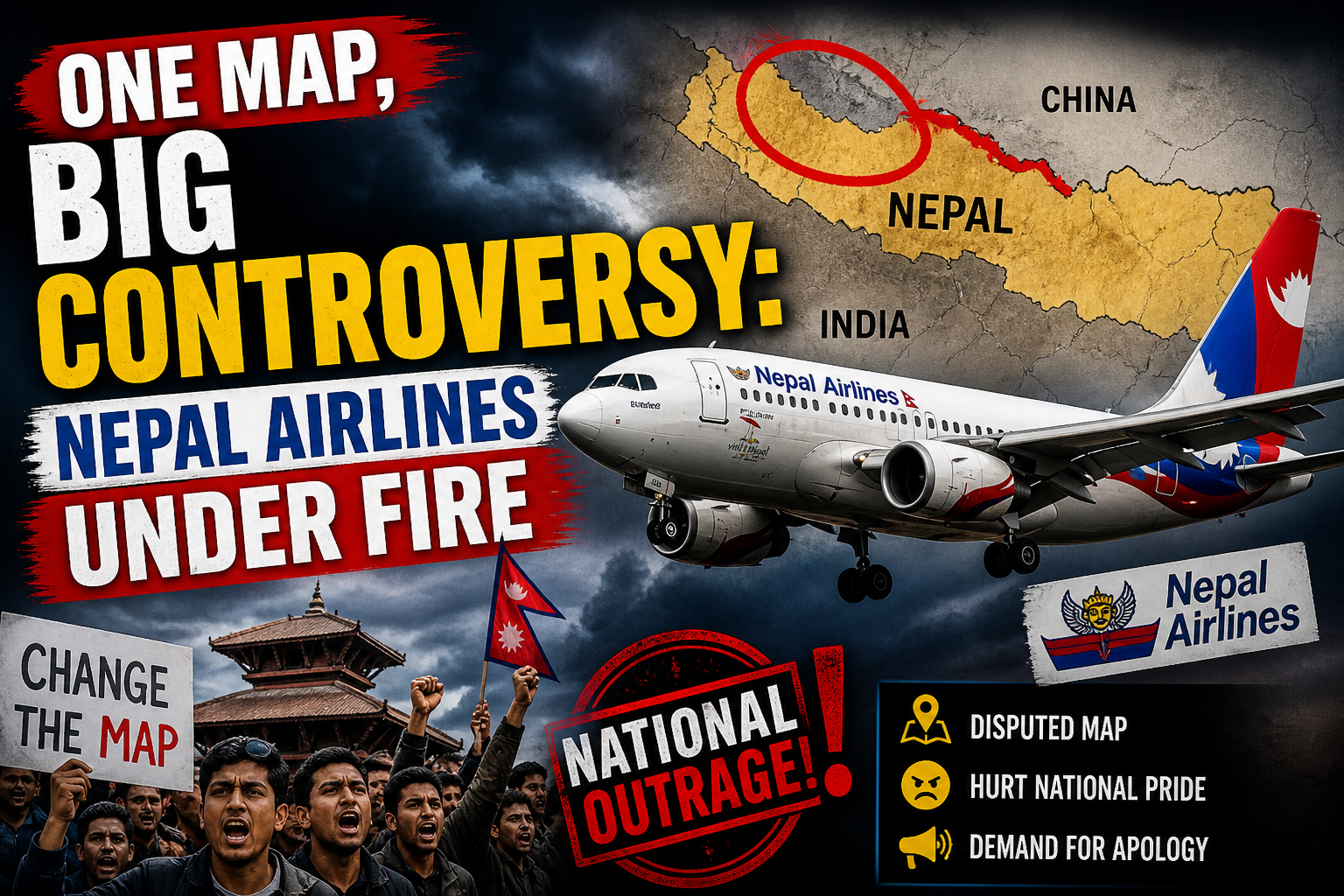
One Map, Big Controversy: Nepal Airlines Under Fire.
At first glance, it might seem like just another design error. After all, companies post visuals online every day, and not every detail is scrutinized. But maps are different. They are not just images-they carry political, cultural, and national significance. A slight misrepresentation of borders can lead to confusion, criticism, and even diplomatic sensitivity. That’s why the issue quickly gained attention and prompted a swift response from the airline.
What Went Wrong?
The controversy began when Nepal Airlines posted a network map intended to showcase its routes and connectivity. However, viewers quickly noticed that the map incorrectly represented certain international boundaries. While the airline did not specify the exact inaccuracies in detail, it acknowledged that the mistakes were serious enough to require immediate action.
In regions like South Asia, where borders have historical and political complexities, even minor deviations can be interpreted in many ways. For people who closely follow such matters, maps are not just tools-they are reflections of national identity and sovereignty. This is why the incorrect map sparked concern and discussion among viewers online.
A Quick and Responsible Response
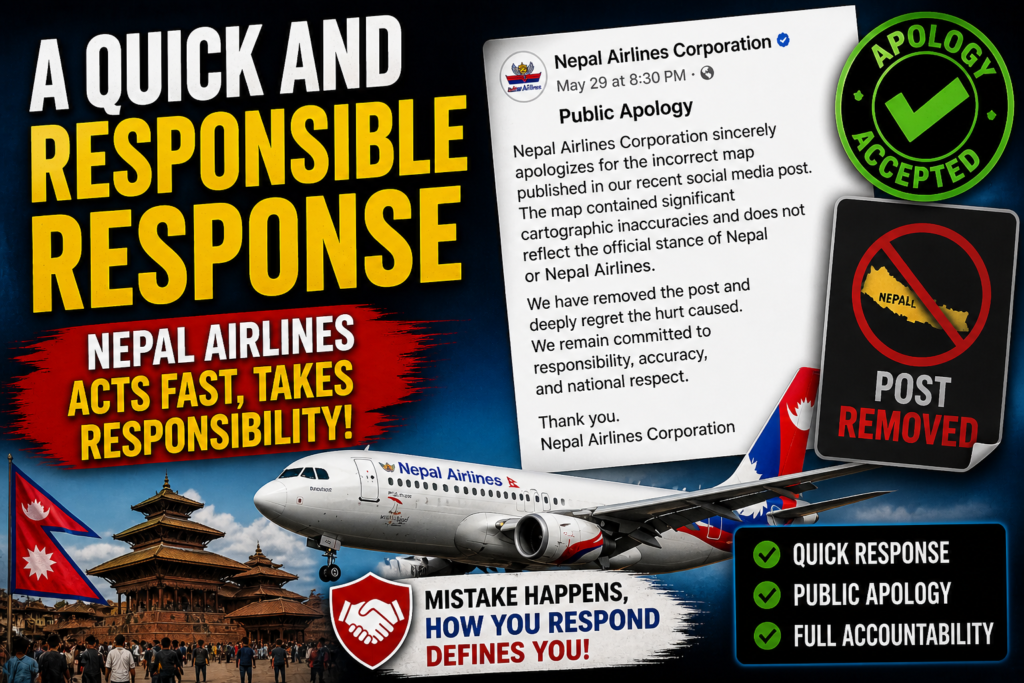
To its credit, Nepal Airlines did not ignore the issue or attempt to downplay it. Instead, the airline responded promptly and transparently. It issued a public apology, clearly stating that the map contained “significant cartographic inaccuracies” and that these did not reflect the official stance of either Nepal or the airline.
More importantly, the airline took immediate corrective action by removing the post from its social media channels. This step demonstrated accountability and an understanding of the seriousness of the situation. In an age where brands often hesitate to admit mistakes, such a direct acknowledgement can go a long way in maintaining public trust.
Why Accuracy Matters So Much
You might wonder-why does a map error matter this much? The answer lies in the power of representation. Maps are not just about geography; they are about identity, politics, and perception. A misplaced boundary line can unintentionally suggest a political stance or misunderstanding.
For a national airline like Nepal Airlines, which represents the country on an international stage, the responsibility is even greater. Every piece of communication-whether it’s an advertisement, a social media post, or a promotional graphic-reflects not just the company, but also the nation it represents.
In this context, the error was more than a simple oversight. It highlighted the importance of careful review processes, especially when dealing with sensitive content.
Internal Review and Lessons Learned
Following the incident, Nepal Airlines announced that it is conducting an internal review to ensure such mistakes do not happen again. This step is crucial, as it shifts the focus from just correcting the error to preventing future ones.
An internal review typically involves examining how the mistake occurred in the first place. Was it a design oversight? A lack of verification? Or perhaps a reliance on incorrect source material/ By identifying the root cause, the organization can strengthen its processes and reduce the risk of similar issues in the future.
This approach reflects a broader lesson for organizations everywhere: mistakes are sometimes unavoidable, but how you respond to them defines your credibility.
Maintaining Relationships and Goodwill
Another important aspect of the apology was its tone. Nepal Airlines emphasized that it deeply values its relationships with neighboring countries and expressed regret for any offense caused. This statement goes beyond a simple apology-it acknowledges the wider impact of the mistake.
In international relations, even small gestures matter. By recognizing the potential impact on neighboring nations and addressing it respectfully, the airline reinforced its commitment to maintaining goodwill in the region.
This is especially important for an airline, which connects people across borders and plays a role in fostering cultural and economic ties. A thoughtful and respectful approach helps ensure that such connections remain strong.
The Role of Social Media
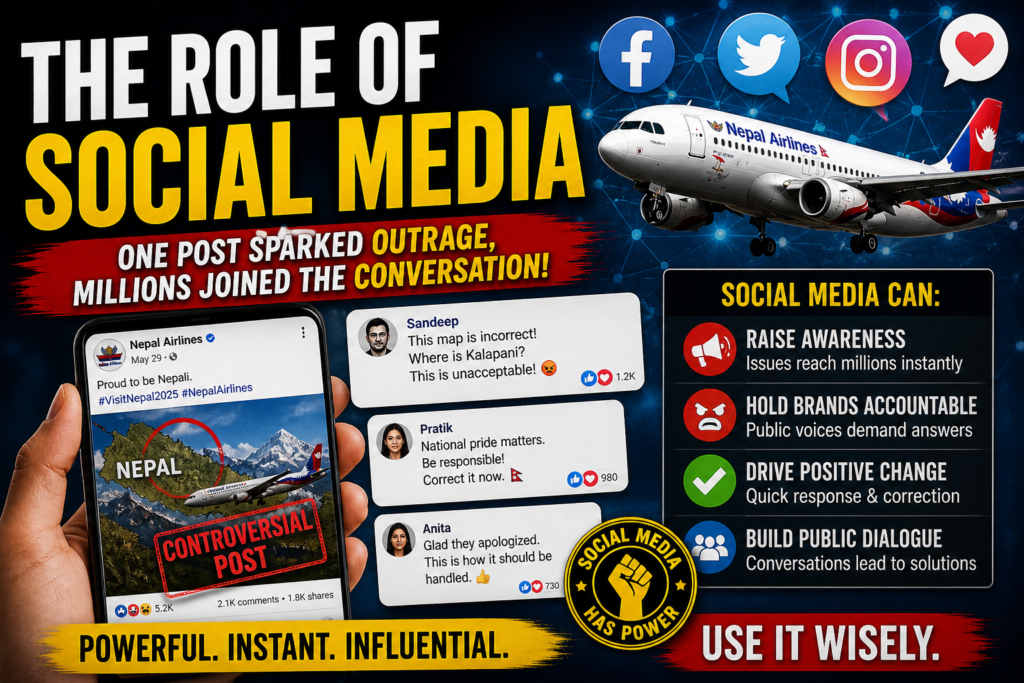
This incident also highlights the double-edged nature of social media. On one hand, it allows organizations to communicate quickly and reach a wide audience. On the other hand, it amplifies mistakes just as rapidly.
In the past, such an error might have gone unnoticed or taken longer to surface. Today however, users can instantly share, analyze, and respond to content. This means organizations must be more vigilant than ever before.
At the same time, social media also provides an opportunity for quick correction. Nepal Airlines was able to address the issue promptly and communicate directly with its audience, which helped contain the situation.
A Reminder for Everyone
While this incident involves a specific organization, the underlying lesson is universal. Accuracy, attention to detail, and cultural awareness are essential in any form of communication-especially in a globalized world.
For businesses, it’s a reminder to invest in proper review systems and to treat every piece of public content with care. For audiences, it’s also a chance to recognize that mistakes can happen, and what truly matters is how they are handled.
Moving Forward
In the end, Nepal Airlines’ response shows a willingness to take responsibility and learn from the experience. By apologizing, removing the incorrect content, and initiating an internal review, the airline has taken the right steps toward resolving the issue.
No organization is perfect, but accountability and transparency can make a significant difference. This incident, while unfortunate, serves as an example of how to handle mistakes in a professional and respectful manner.
As Nepal Airlines moves forward, it will likely strengthen its internal processes and continue to focus on building trust with its audience. And for everyone watching, it’s a reminder that even a simple map can carry powerful meaning-and that getting the details right truly matters.
1 thought on “One Map, Big Controversy: Nepal Airlines Under Fire.”